New law targets adults who engage in sexual conduct while watching kids
Former Palm Beach County State Attorney Dave Aronberg says the concern is that this type of behavior could escalate.
"It seems that someone like this who thinks they can get away with it because they're lurking in the bushes, if they continue to get away with it, they're more likely to be bolder the next time and perhaps commit direct physical abuse against a child," Aronberg said.
In the past, a defense attorney could argue that if a child was asleep, looking away or did not actually see what the adult was doing, it did not meet the requirements for the criminal charge.
No longer.
"There's a pattern that sex offenders engage with to harm children and a child and so closing this loophole goes a long way in keeping offenders and predators accountable and putting them where they belong," said Lauren Book, a former state lawmaker in Florida.
Book is also a survivor of childhood sexual abuse. She says the change will help hold offenders accountable.
"It can no longer be explained away by defense attorneys and will bring people to justice and keep children safer," Book explained.
A conviction under the new law can carry up to five years in prison and a fine of up to $5000.00. The new law originated as House Bill 1525 in the Florida Legislature.
State Representative Doug Bankson (Dist. 39-Republican) provided a written statement on HB 1525 on Lewd or Lascivious Acts that goes into effect October 1:
“This new law: (1) Creates a third degree felony offense, indecent exposure of sexual organs while observing a child, if a person, while observing a child under 16 years of age for the purpose of his/her own sexual arousal or gratification; (2) defines “observing” as means intentionally viewing another person under circumstances in which the offender is reasonably capable of being seen by the person being viewed; (3) specifies that it is not a defense that the person being observed was not aware of any specific conduct on the part of the offender or did not see the offender’s sexual organs; and (4) repeals the second degree misdemeanor offense of committing any unnatural and lascivious act with another person.
This bill was brought in part by an incident that occurred in my own district, where an offender committed the very egregious act that this law intends to prevent. Bottom line: This bill is about child endangerment. Lewd or lascivious exhibition is a conscious choice that has the potential to scar a child for life. When someone chooses to go public with their “private parts”, they choose to forfeit their right to privacy and negligently pose a risk to the innocence and well-being of a child.”
Now the question is, will this law affect Pride Parades where nudity is displayed before children? I assume only if they are performing a sexual act, or possibly if they are pretending to perform a sexual act while displaying their parts.
Would parents or guardians hold some responsibility for allowing their children to view such filth?

Ohio senator pushes to change child sex abuse laws after ex-priest, rapist Geoff Drew's prison release

COLUMBUS, Ohio — The controversial case of former priest and confessed rapist Geoff Drew could result in another law change in Ohio: statute of limitations reform.
Ohio Sen. Bill Blessing, a Republican from Colerain Township, said he is willing to sponsor legislation to allow prosecutors to file criminal charges in childhood sexual abuse cases regardless of when it happened. This comes after prosecutors could not charge Drew for sexually abusing a second alleged victim because the statute of limitations had expired.
“This issue just continues to fester,” Blessing said. “It’s not going to get any better for anyone until we move beyond that, and that includes the church.”
Blessing also wants to eliminate time limits for victims to sue their abusers and the institutions accused of protecting them. Drew’s victim could not file a lawsuit for his repeated childhood rape because he was 40 when he reported it, which is a decade too late, according to current Ohio law.

In a 2022 interview, victim Paul Neyer said the Archdiocese of Cincinnati declined to pay any damages for the years of sexual abuse he endured and only offered him counseling.
Ohio is one of only six states that have not eliminated the statute of limitations on all or some childhood sexual abuse, according to Child USA, a nonprofit working to end child abuse.
Blessing, who is Catholic, also wants a “look-back window,” which would allow victims, like Neyer, to reopen claims that expired years or even decades ago.
Such laws have led to a wave of lawsuits against the Catholic Church in other states, where some archdioceses have filed for bankruptcy protection. Blessing acknowledged that changing Ohio law could expose churches and institutions to significant liability.

Asked whether the change would “open the floodgates,” Blessing replied, “No question.”
“What are we saying here?” Blessing said. “That justice cannot be done because somebody might go bankrupt or might lose money? … I’m sorry, I have to side with the victim on this.”
Watch: Ohio lawmakers push for statute of limitations reform.
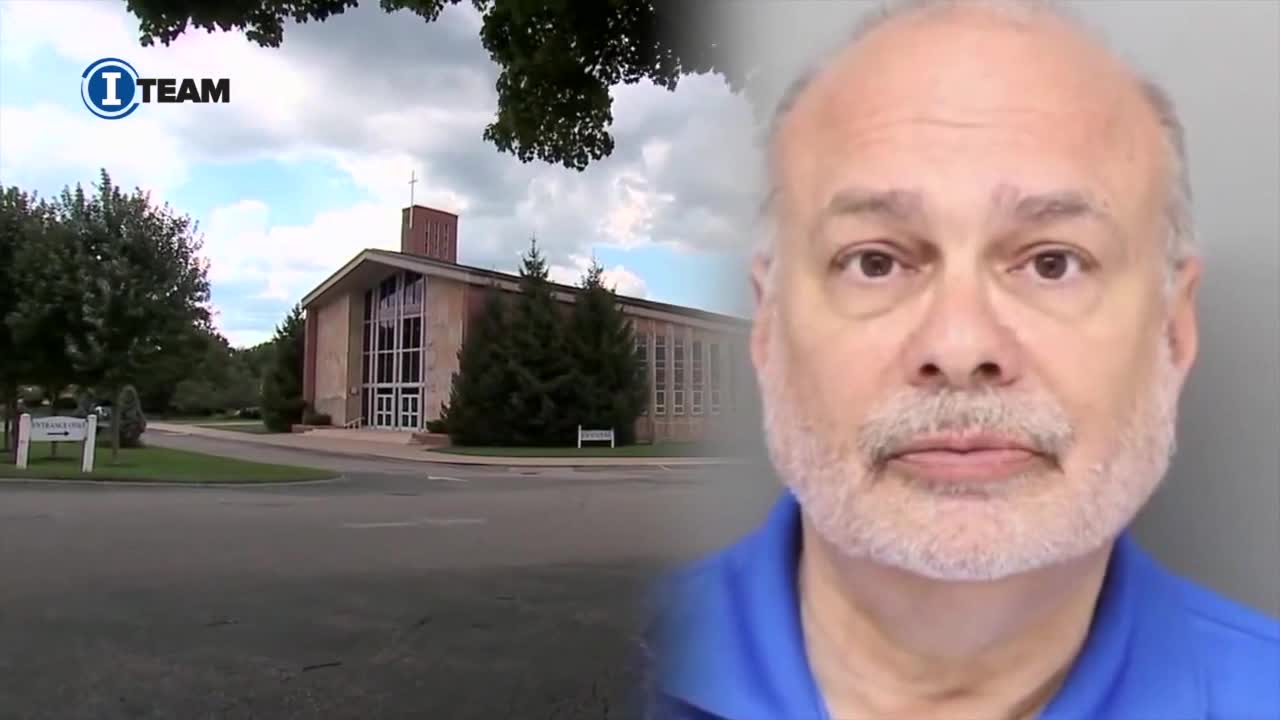
In Ohio, criminal charges for rape and sexual battery can be filed until victims turn 43. Civil claims are permitted until victims turn 30.
“It was eye-opening to me how far behind Ohio is compared to other states, even states around us,” said Rep. Rachel Baker, who represents District 27, the eastern and northern parts of Hamilton County.
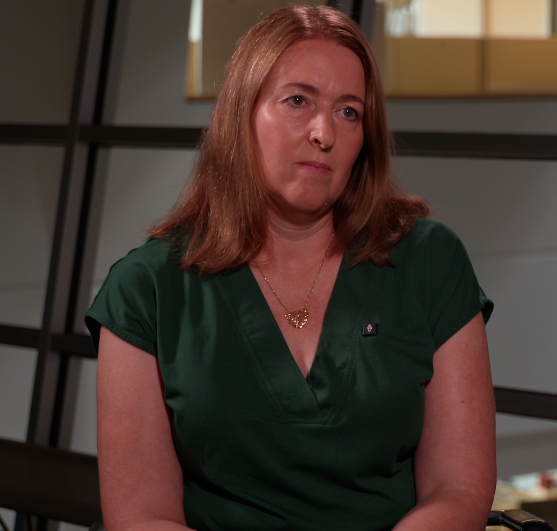
Blessing and Baker convened the Safer Communities Legislative Working Group, which released its findings on sexual and domestic violence Wednesday, and a top recommendation was statute of limitations reform.
“Many survivors delay reporting sexual violence due to trauma, fear, power dynamics or lack of supportive resources. Modifying Ohio’s civil and criminal timelines is critical for holding repeat offenders accountable and enhancing public safety,” the report stated.
The group proposed a ‘good, better, best’ choice of options for legislators. Blessing said he preferred the most expansive option: full elimination of the criminal statute of limitations for rape and sexual battery; eliminating the civil statute of limitations for child sexual abuse; establishing a time-limited lookback window for all survivors; and aligning the same timeline for both criminal and civil cases.
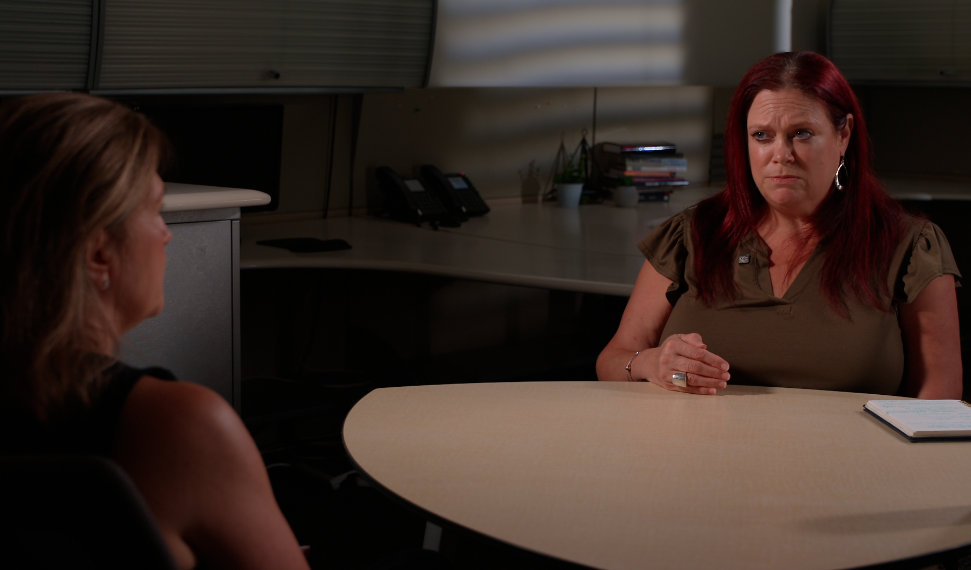
"Yes, there has been a historical resistance to pass some of the things we will be inevitably recommending,” Blessing said. “But you can’t ignore a lot of the reporting that has been in the news recently on these issues. You can’t ignore the laundry list of advocates who have said, ‘Look, we really need this.’”
Ohio lawmakers have tried repeatedly to change these laws, but advocates say those efforts stalled because of pressure from the insurance industry and the Catholic Church.
Please continue reading on wcpo at:

25 Investigates: AG Campbell backs elimination of limits on sex abuse survivors to sue

Massachusetts Attorney General Andrea Campbell says state laws continue to stand in the way of justice and accountability for survivors of child sexual abuse.
For years, 25 Investigates has been reporting on legislative efforts to better protect children from sexual predators. Earlier this year, Gov. Maura Healey signed a law closing the age-of-consent loophole preventing defendants from using a teenager's age as a defense in certain child sexual abuse cases.
Now, advocates are pushing lawmakers to take another step by eliminating the statute of limitations that restricts when survivors can sue perpetrators and the institutions that enabled abuse.
They hope the investigative report, led by the Massachusetts Attorney General's office, into widespread child sexual abuse in the Worcester, Fall River and Springfield Catholic dioceses will add urgency to their push to eliminate the statute of limitations and expand opportunities for survivors to seek accountability through the courts.
Under current Massachusetts law, survivors generally must file civil lawsuits by age 53. Proposed legislation would eliminate that deadline and remove the state's $20,000 charitable immunity cap, which limits liability for nonprofit organizations.
Child sexual abuse survivor Jim Scanlan, who was abused by a priest at Boston College High School in the 1970s, told 25 Investigates that the changes are necessary to ensure fairness for survivors and to encourage institutions to take stronger measures to prevent abuse.
"For me, it is fairness to survivors who didn't have an opportunity, weren't ready to come forward, and protecting our kids because it will change behavior. Monetary consequences change corporate institutional behavior," Scanlan told Boston 25's Kerry Kavanaugh.
The proposed amendment would also create a two-year look-back window for survivors whose claims previously expired under existing law.
Campbell, speaking shortly after publicly disclosing that she is also a survivor of childhood sexual abuse, said the look-back period should go even further and be made indefinite.
"This has happened across the country right now; Massachusetts, sorry, I'm just absolutely failing. We have the worst grade when it comes to this particular policy initiative; we have an opportunity today to change that," Campbell said.
The amendment is currently attached to the state's primary care bill, which is being debated by a conference committee on Beacon Hill. The committee's deliberations are taking place behind closed doors as lawmakers decide whether the proposal will become law.
Advocates say they remain confident the amendment will pass intact.


No comments:
Post a Comment