Police using new approach to target child sex abuse in the Caymans
At a glance
- The RCIPS has launched a new process used by police services in the UK, known as the ‘Philomena Protocol’, to help protect children who are being exploited
- Former head of London’s Met Police team in finding missing persons and exploited children is leading the introduction of new protocol
- Police asking public to assist with protecting the islands’ vulnerable children
Police have adopted a new protocol in efforts to tackle child sex abuse and exploitation in Cayman.
The Royal Cayman Islands Police Service has begun using what is known as the ‘Philomena Protocol’, which helps to locate and return a child as soon as possible after they are reported missing, as well as to identify and protect potential victims.
The basis of the scheme is for vital information about the young person to be recorded and accessed by relevant agencies, including police and social services, so that it can be used to help locate them safely and quickly.

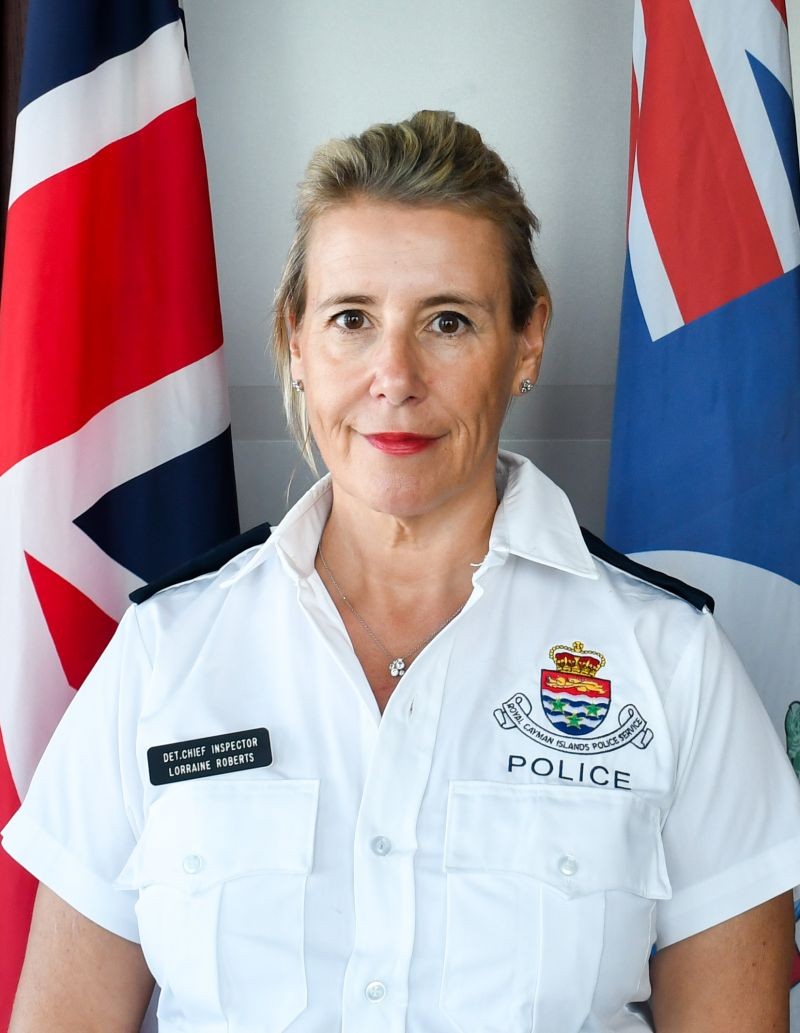
RCIPS Protective Services Detective Chief Inspector Lorraine Roberts says groomers usually target vulnerable kids, noting, “You only have to look at the Epstein case at the moment” to see the types of young people who are being groomed and used.
“Cayman is no different to the rest of the world,” she said. “It’s the children … who are looking for love and attention, and suddenly they’ve got this admirer online giving them lots of compliments
“And the message from me, for parents, is to pass on to their children that nothing in life is free. People get given drugs, alcohol; why on Earth do they think that these adults are giving them drugs [or food]?”
She says the RCIPS is aiming to “get more in the prevention space” when it comes to protecting Cayman’s children.
“We know that some offenders are targeting some of our most vulnerable individuals, and now we’re doing much more to now be proactive in this space … in identifying the targeting,” she said, adding that police are making it a priority to be “perpetrator focused”.
The Philomena Protocol
The Philomena Protocol, named in the UK after Saint Philomena – the patron saint of babies, infants and youths – was introduced to the RCIPS shortly before Roberts joined the service last year, and she has been leading it since October.
It has been used by various police departments across the United Kingdom since it was launched in County Durham in northern England seven years ago. Roberts previously was the lead officer responsible for missing people and child exploitation in the Metropolitan Police Service in London.
She explained that, under the Philomena protocol, as soon as a child is reported missing, from school, a household or a children’s home, “we’re on the phone to CCTV to find out where they are … and we’re much more perpetrator focused”.
During her time in London, she said, using this protocol, the Met Police saw a reduction by half in child murders “because … we worked more with the causes; what were children being led into? Why were they going missing? Where was the harm and risk? And it was either for drugs or exploitation.”
As part of the RCIPS’s efforts to become more proactive in protecting the islands’ children, it is working closer with other agencies – like the Department of Children and Family Services, the 911 service, CCTV operators – on the newly adopted protocol.
The RCIPS also want members of the public to start communicating their suspicions to police when they think a child might be in danger from an individual. “Perpetrators are out there, and people who know them, they need to start telling the police who they are, and who they’ve got suspicions about. We need to hear about it,” Roberts said.
Breaking the cycle of sexual abuse of vulnerable victims and protecting them, is vital, says Chief Superintendent Richard Barrow, who heads up the RCIPS Public Protection Bureau.
A complicating factor in this is the interpretation of what is happening by the young victims themselves, he explained, noting that many of the youngsters targeted do not see themselves as victims.
“So we have got to change that mindset,” he said.
Dedicated efforts to deal with the issue of child exploitation and abuse in Cayman have been ongoing for some time, he noted, pointing to the establishment of the Child Safeguarding Board, which was set up in 2016.
That board was set up to help coordinate policies and procedures for preventing all forms of child abuse, and making sure information is shared across agencies.
Changing the language
Roberts has also been leading training within the RCIPS and with the various agencies on tackling “victim-blaming language”, as well as pinpointing exactly what is child exploitation and what can be done to prevent predators from targeting children who regularly go missing.
“They’re not runaways; they’re missing children,” she said. “When you call them runaways, that puts the onus on them. They are missing children because they think they are in a relationship.”
Those relationships are often with much older men, who offer them drugs, alcohol and gifts, and shower them with attention. “You can’t blame the child … they’re being coerced,” she said.
Kids who have little or no parental supervision, who can often be found out in public late at night, are typically among those who are targeted, she noted.
Other language that needs changing within the community would be calling the grown men these girls go with “abuser” instead of “boyfriend”, Roberts said.
She added that if the community mindset is changed from thinking the girls are just “with a boyfriend” versus being “sexually exploited by an adult male who is abusing them … that’s the shift we need.”
“It’s often the same offenders, and it’s just being wise to be proactive and targeting those,” Roberts said.


No comments:
Post a Comment